

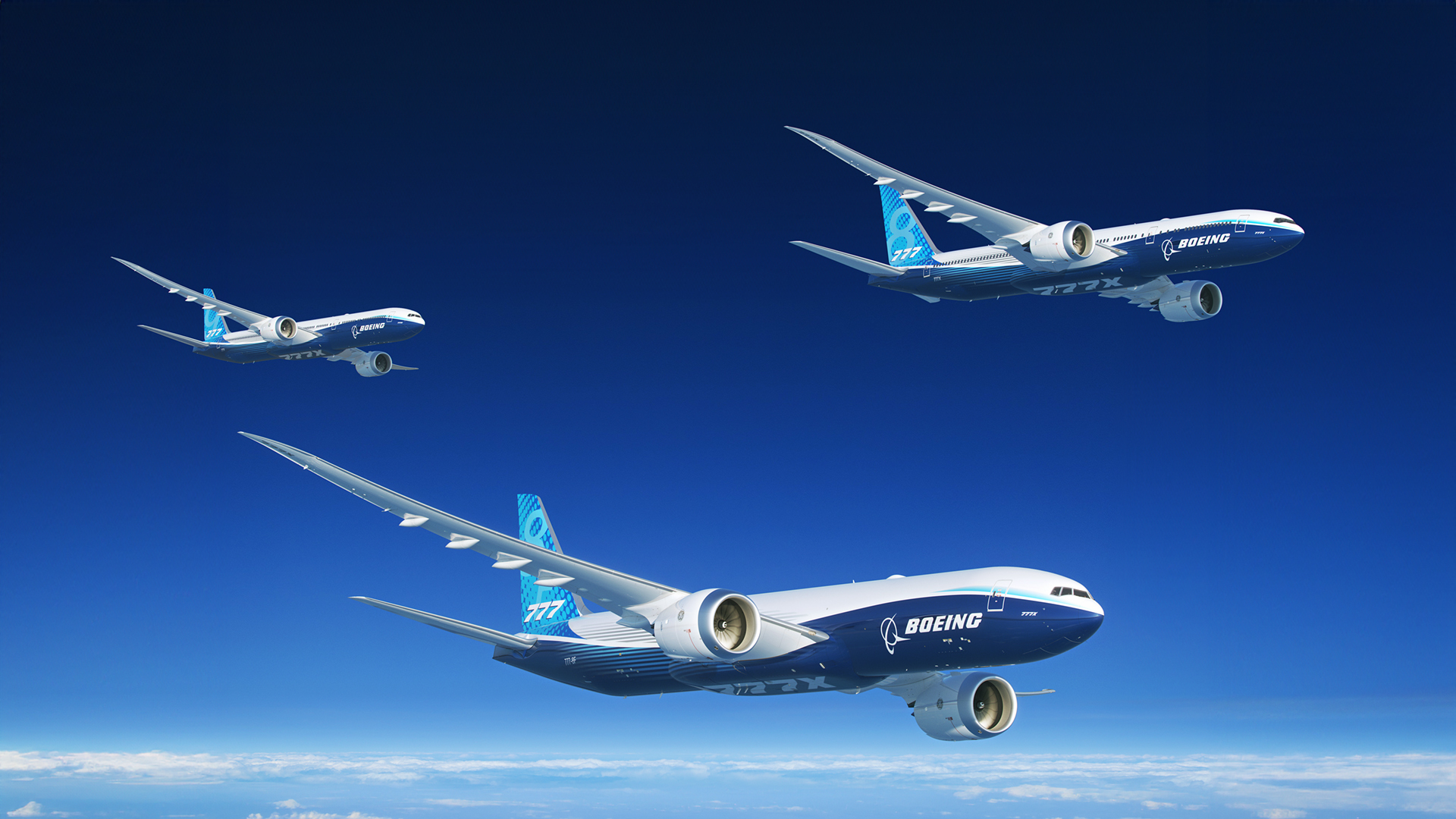
After nearly a decade of development and a certification process plagued by delays, groundings, and redesigns, Boeing’s 777X has finally received its type certificate from the U.S. Federal Aviation Administration — a milestone that marks both a technical achievement and a critical turning point for a company that has spent years fighting to restore its reputation for airworthiness.
The 777X, offered in two variants — the 777-8 and the longer 777-9 — is Boeing’s answer to the next generation of long-haul widebody travel. Its defining feature is a pair of folding wingtips that extend the wingspan to 71.8 meters in flight for aerodynamic efficiency, then fold inward to fit within standard airport gate widths. Combined with GE Aviation’s GE9X engines, the world’s largest turbofans ever flown, the aircraft promises fuel burn improvements of around 10 percent over its predecessor, the 777-300ER.
A Long Road to Certification
The path to certification was anything but smooth. Development began in earnest in 2013, with first flight achieved in January 2020 — only weeks before the COVID-19 pandemic grounded global aviation. Structural fatigue issues discovered during ground testing, combined with changes to FAA certification standards implemented in the wake of the 737 MAX crisis, forced Boeing to redesign portions of the fuselage and conduct additional testing cycles that pushed the entry-into-service date back repeatedly.
Launch customer Emirates, which has orders for over 200 777X aircraft, maintained public patience but privately applied considerable pressure on Boeing’s leadership to deliver. The airline’s CEO Sir Tim Clark has repeatedly described the 777X as central to Emirates’ long-term network strategy, particularly for ultra-long-range routes from Dubai that demand both range and passenger capacity.
What It Means for the Market
The 777X certification arrives at a moment when the widebody market is intensely competitive. Airbus’s A350-1000 has been steadily winning orders in the segment the 777X targets, and airlines that once waited for Boeing’s new jet have in some cases switched allegiances. Qatar Airways, for example, has taken delivery of A350s while its 777X order remains in the backlog.
For Boeing, the commercial stakes could not be higher. The company is also managing the 737 MAX recovery, the 787 Dreamliner production ramp-up, and significant financial pressure from its defense and space divisions. A successful 777X entry into service would provide a meaningful revenue boost and signal to the market that Boeing’s engineering and certification processes have been genuinely reformed.
First deliveries to Emirates are expected to begin within months of certification, with Lufthansa and Qatar Airways next in line. The aviation world will be watching closely as the 777X moves from test fleet to revenue service — and whether Boeing can finally close this long and troubled chapter.
